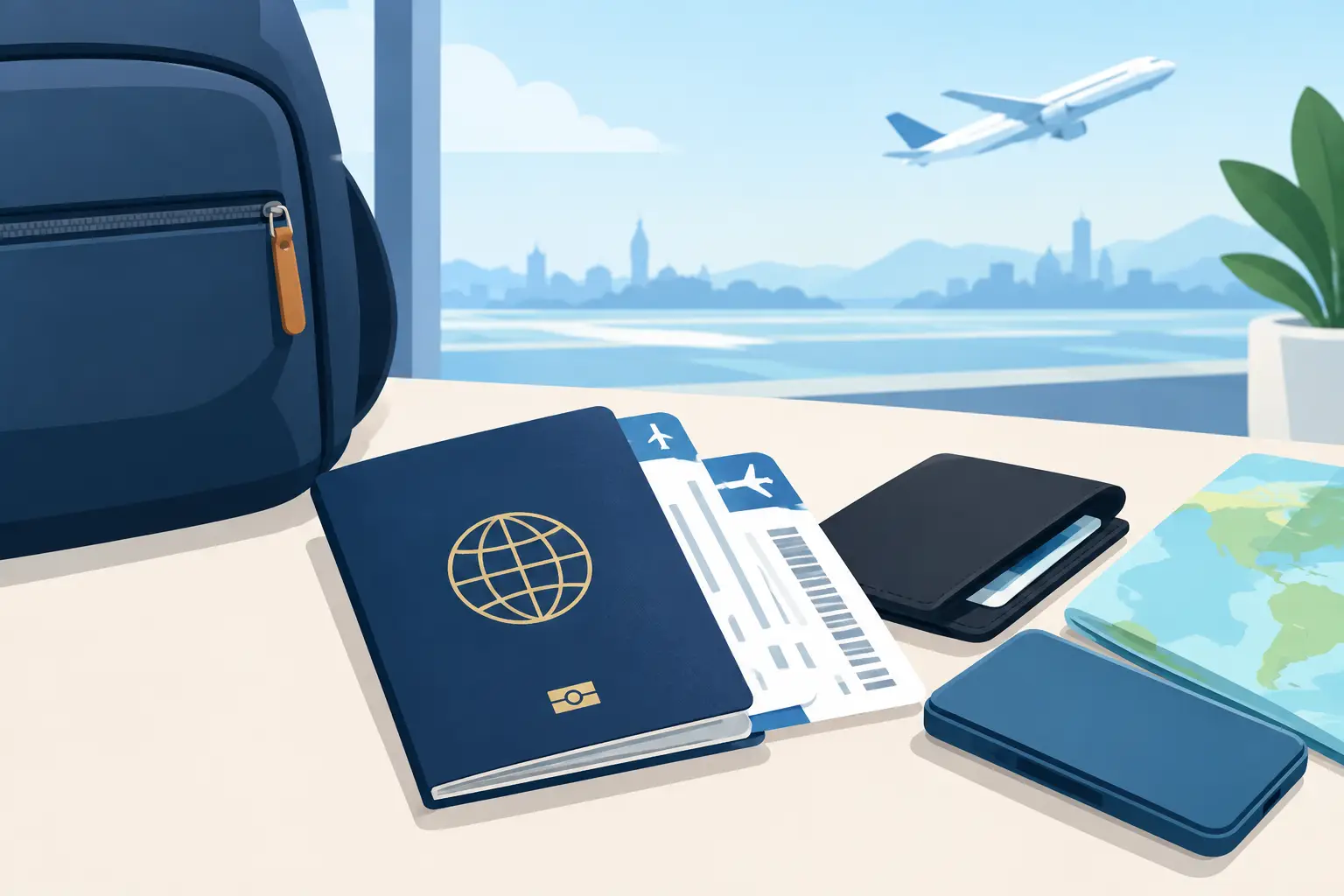
A low fare can disappear in minutes. A missing passport, visa, or transit form can stop a trip at the airport just as quickly. Getting your international travel documents organized before you compare flights and hotels protects the time and money you put into your vacation.
The good news is that most travelers do not need a complicated system. You need to know which documents apply to your route, confirm their expiration dates, and keep secure backups. Start early, especially for a multi-country trip, travel with children, or a destination that requires a visa.
Start With Your Passport
For US travelers, a valid passport book is the foundation of nearly every international itinerary. A passport card can be useful for land and sea travel to Canada, Mexico, Bermuda, and certain Caribbean countries, but it is not valid for international air travel. If you are flying abroad, bring the passport book.
Check the expiration date before booking nonrefundable travel. Many countries require your passport to remain valid for at least six months after your arrival or departure date. Others use a three-month rule, and a few accept a passport that is valid only for the length of your stay. Airlines can deny boarding when your passport does not meet the destination’s entry rule, even if you planned to renew it after returning home.
Look at the physical condition, too. A passport with water damage, a detached cover, badly torn pages, or unreadable information may cause trouble at check-in or border control. If you need a first passport or renewal, allow more time than you think you need. Processing times can change, and expedited service still leaves little room for mistakes.
Match Every Booking to Your Passport
Enter your name on airline tickets exactly as it appears in your passport. This includes middle names when a carrier asks for them, suffixes, and the order of multiple last names. A small mismatch may be fixable, but fixing it can involve fees, long support waits, or a new ticket if the fare rules are strict.
Do the same when reserving a visa, rail pass, ferry, tour, or rental car. One consistent version of your name makes every checkpoint easier.
Know Whether You Need a Visa or Travel Authorization
A visa is permission issued by a country that allows you to enter for a specific purpose and length of time. A travel authorization is often a faster online approval tied to your passport. Neither is universal, and the answer depends on your citizenship, destination, trip length, reason for travel, and sometimes where you transit.
For example, a US passport holder may be able to visit one country visa-free for a short vacation but need an online authorization for another. Working, studying, volunteering, joining a cruise, or staying longer than the standard tourist period can require different paperwork. Do not assume a friend’s experience applies to your trip if their passport or itinerary is different.
Check requirements before you lock in flights, then check again a few weeks before departure. Entry rules can change, and airlines use current documentation requirements at the airport. When a visa is required, confirm whether it must be issued before departure, whether it is an e-visa, and whether you need to print an approval notice.
Transit deserves special attention. A connection may look like a simple two-hour layover, but some countries require a transit visa when you change airports, collect and recheck luggage, stay overnight, or hold certain passports. Choosing a slightly cheaper route is not a win if the connection adds a document requirement you cannot meet in time.
Build Your International Travel Documents Folder
Keep your core paperwork in one travel folder or secure pouch that stays in your personal item, not checked luggage. A paper copy is still useful when your phone battery is low, airport Wi-Fi fails, or an official asks to see a printed confirmation.
Your folder should include these essentials:
- Your passport and any required visas or travel authorizations
- Flight confirmations, hotel addresses, and key transportation reservations
- Travel insurance details and emergency assistance contact information
- Proof of onward or return travel if your destination requires it
- Copies of prescription information, vaccination records, or health forms when applicable
- A backup payment card and a small amount of local currency or widely accepted cash
You will not need every item for every trip. A weekend in London has different requirements than a month across Southeast Asia. Still, organizing these records in advance makes it easier to respond if a border officer, airline agent, hotel, or medical provider asks for proof.
Create digital copies as a second layer of protection. Save scans of your passport identification page, visas, insurance card, itinerary, and emergency contacts in a password-protected location you can access from another device. Leave a copy of your itinerary and passport details with a trusted person at home. Do not send sensitive documents casually through unprotected email or public messaging accounts.
Health Documents Depend on the Destination
Health entry requirements can vary by country and can change based on outbreaks or a traveler’s recent locations. Some destinations ask for proof of vaccination against diseases such as yellow fever if you are arriving from or transiting through a risk area. Others may require a health declaration, insurance coverage, or specific medical documentation.
If you take prescription medication, carry it in its original labeled container and bring enough for the full trip plus a few extra days. Keep it in your carry-on. A letter from your clinician can help when you travel with injectable medication, controlled substances, or a larger supply, but rules vary, so verify the destination’s limits before packing.
Travel insurance is not an entry document everywhere, but it can be one of the most useful records in your folder. Look beyond the headline price. Check medical coverage limits, emergency evacuation, trip delay coverage, exclusions for activities, and the process for getting help abroad. The cheapest policy is not always the best value if it leaves a major gap in your plans.
Traveling With Kids, Cars, and Multiple Stops
Families often need more than passports. When one parent travels alone with a child, border officers may ask for a consent letter from the other parent or legal guardian. Requirements vary, but carrying a signed and preferably notarized letter can prevent a stressful delay. Bring documents that support your relationship to the child when last names differ, such as a birth certificate copy or custody paperwork if relevant.
Planning to drive? Your US driver’s license may be accepted in some countries, while others require an International Driving Permit alongside your license. The permit does not replace your license, and it does not make you eligible to drive everywhere. Check age rules, local insurance requirements, road restrictions, and whether your credit card coverage applies to the rental country.
For a multi-stop itinerary, review documents country by country in travel order. Include every place where you land, connect, cross a land border, or board a cruise. A flight deal with three segments can create three separate sets of rules. This is one area where a flexible booking option can be worth a little more if a visa delay or document issue could force you to change plans.
Check Again Before You Leave
About a week before departure, pull up your itinerary and do a final document check. Confirm that your passport is packed, your names match, your visa approval is still valid, and your return or onward booking is easy to show. Review the entry requirements for each stop directly through official government and embassy information, rather than relying only on old blog posts or social media advice.
At the airport, keep your passport, phone, boarding pass, and required approvals within easy reach. Avoid placing them in an outer backpack pocket that could be lost or picked. Once you arrive, return the documents to the same secure place each time. A simple routine is easier to follow when you are jet-lagged and trying to find your hotel transfer.
A great trip starts long before takeoff. Give your documents the same attention you give your flight price, room location, and activity plans, then you can spend your travel day looking forward to the adventure instead of solving a problem at the gate.
Leave a Reply